
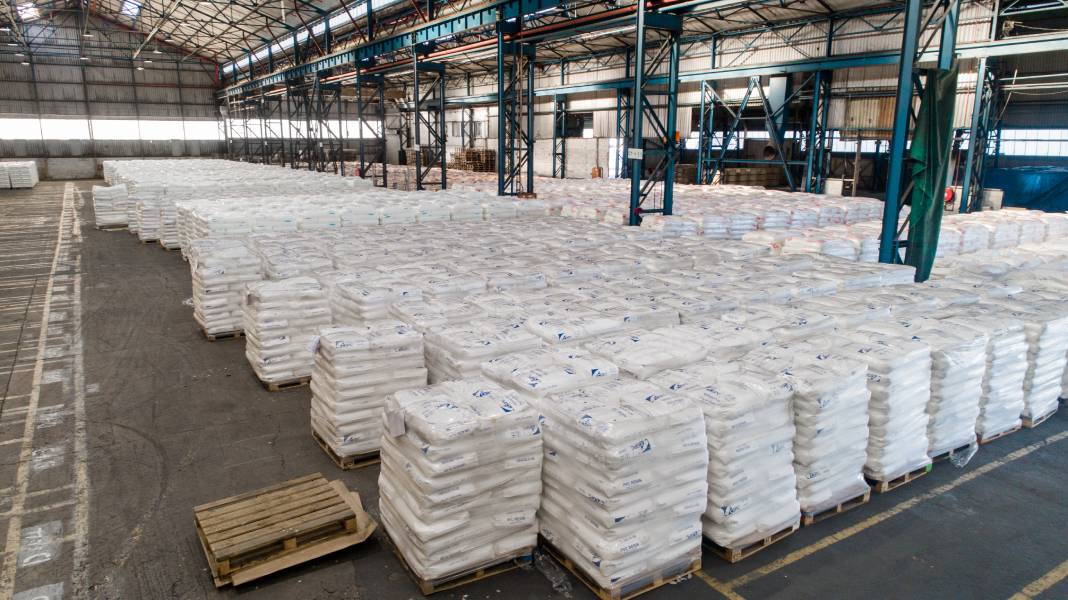
In today's fast-paced business environment, efficient warehouse management is crucial formaintaining a competitive edge. Streamlining inventory control and operations cansignificantly enhance productivity, reduce costs, and improve customer satisfaction. Byimplementing effective strategies and leveraging modern technology, businesses canoptimize their warehouse management processes to meet the demands of an evolvingmarket.
Understanding Warehouse Management:
Warehouse management encompasses the efficient organization, storage, and movement ofgoods within a warehouse. It involves various tasks, including receiving, picking, packing,and shipping orders. Effective warehouse management ensures that inventory levels areaccurately maintained, orders are processed promptly, and resources are utilized optimally.
Challenges in Warehouse Management:
- Inventory Accuracy: Maintaining accurate inventory records is essential forpreventing stockouts, overstocking, and discrepancies.
- Optimal Space Utilization: Maximizing warehouse space while ensuring easy accessto inventory poses a significant challenge.
- Order Fulfilment Efficiency: Streamlining the order fulfilment process to minimizepicking errors and reduce turnaround times is crucial.
- Integration of Technology: Incorporating advanced technologies such as RFID,barcode scanning, and warehouse management systems (WMS) can improveefficiency but requires careful planning and implementation.
Strategies for Streamlining Warehouse Management:
- Utilize Advanced Inventory Management Systems:
- Implementing a robust WMS can automate inventory tracking, improveaccuracy, and streamline operations.
- Utilize barcode scanning and RFID technology for real-time inventory visibilityand traceability.
- Optimize Layout and Workflow:
- Design warehouse layouts that prioritize efficiency and accessibility,minimizing unnecessary movement.
- Implement lean principles to streamline workflow and eliminate waste.
- Employ Demand Forecasting:
- Use historical data and market trends to forecast demand accurately,enabling proactive inventory management.
- Adjust inventory levels accordingly to prevent stockouts or excess inventory
- Implement Cross-Docking:
- Utilize cross-docking techniques to bypass storage and directly transferincoming goods to outbound shipments, reducing handling and storage costs.
- Invest in Employee Training:
- Provide comprehensive training programs to warehouse staff to ensure theyare proficient in operating equipment and following procedures.
- Foster a culture of continuous improvement to encourage innovation andefficiency.
Benefits of Streamlined Warehouse Management:
- Improved Efficiency: Streamlining warehouse processes reduces bottlenecks,minimizes errors, and enhances overall efficiency.
- Cost Savings: Optimizing inventory control and operations leads to reduced carryingcosts, lower labor expenses, and decreased waste.
- Enhanced Customer Satisfaction: Faster order fulfillment, accurate inventoryinformation, and reliable delivery contribute to higher customer satisfaction levels.
- Competitive Advantage: Efficient warehouse management enables businesses torespond quickly to market changes, fulfill orders promptly, and stay ahead ofcompetitors.
Effective warehouse management is essential for optimizing inventory control andoperations in today's competitive business landscape. By implementing strategies suchas advanced inventory management systems, workflow optimization, and demandforecasting, businesses can streamline their warehouse processes to achieve greaterefficiency and cost savings. Investing in employee training and embracing technologyare key steps toward achieving sustainable improvements in warehouse management.By prioritizing efficiency and accuracy, businesses can enhance customer satisfaction,gain a competitive edge, and drive long-term success.