
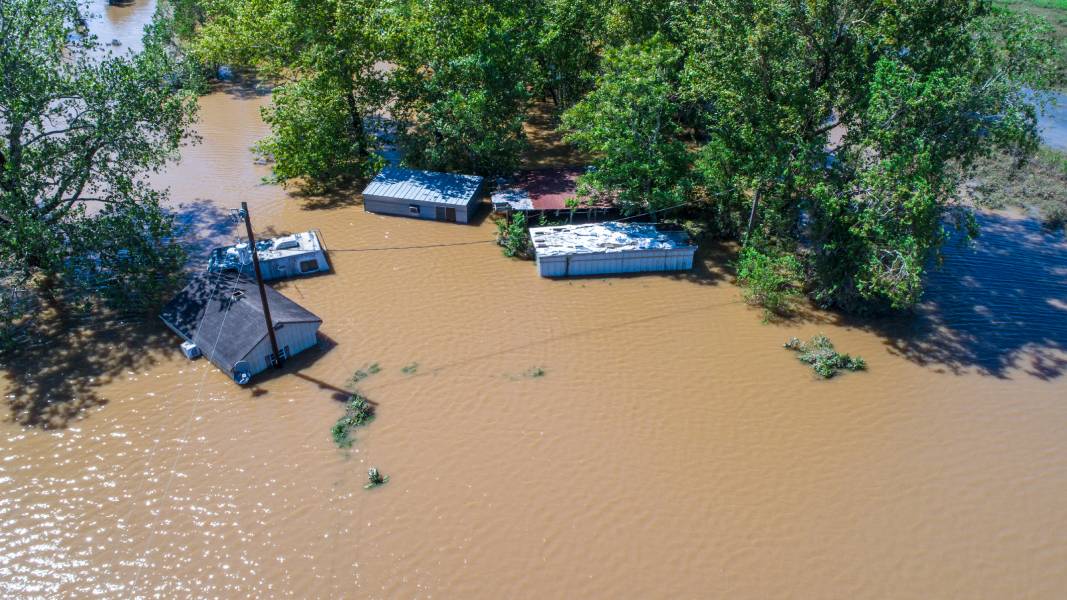
In times of disaster, whether natural or man-made, the swift and efficient delivery of relief aidis crucial to saving lives and restoring communities. However, the logistics involved indisaster relief operations are often complex and challenging. Fortunately, advancements intechnology have revolutionized the way relief efforts are coordinated and executed, offeringa ray of hope amidst chaos. Let's explore how technology is playing a pivotal role indelivering hope during times of crisis.
Real-Time Data for Rapid Response
In the aftermath of a disaster, every minute counts. Real-time data provided by technologyenables relief organizations to assess the situation swiftly and allocate resources effectively.From satellite imagery to drones, technology offers a bird's-eye view of the affected areas,helping responders identify critical needs and prioritize their actions.
Supply Chain Management Solutions
Managing the supply chain in disaster-stricken areas is fraught with challenges such asdamaged infrastructure and limited access. However, technology streamlines this process byoptimizing routes, tracking inventory, and facilitating communication between suppliers,distributors, and relief agencies. With efficient supply chain management systems in place,essential resources can reach those in need without delay.
Communication and Coordination Tools
Clear and effective communication is the cornerstone of successful disaster relief efforts.Technology provides a plethora of communication tools, including mobile apps and two-wayradios, that enable responders to stay connected even in remote or disrupted areas. Thesetools facilitate coordination between different agencies, volunteers, and affectedcommunities, ensuring a unified and cohesive response.
Predictive Analytics for Early Warning
Predicting disasters before they strike can significantly mitigate their impact. With the help ofpredictive analytics and machine learning algorithms, technology can analyze vast amountsof data to identify patterns and forecast potential hazards. Early warning systems based onthese predictions alert authorities and communities, allowing them to take proactivemeasures and evacuate vulnerable areas in advance.
Remote Monitoring and Assessment
In situations where on-ground assessments are challenging or dangerous, technology offersremote monitoring solutions. Unmanned aerial vehicles (UAVs) equipped with cameras andsensors can survey damage, assess infrastructure integrity, and identify hazards withoutputting human lives at risk. This data enables responders to make informed decisions andplan their interventions more effectively.
Blockchain for Transparent Aid Distribution
Ensuring transparent and accountable distribution of aid is crucial to building trust andpreventing exploitation in disaster-affected communities. Blockchain technology provides adecentralized and immutable ledger that tracks the flow of resources from donors tobeneficiaries. By leveraging blockchain, relief organizations can enhance transparency,reduce fraud, and empower recipients to verify the authenticity of aid transactions.
Mobile Payments for Financial Assistance
In the aftermath of a disaster, access to cash is vital for survivors to purchase essentialgoods and services. However, traditional banking infrastructure may be disrupted orinaccessible. Mobile payment platforms offer a convenient and secure way to deliverfinancial assistance directly to those in need, bypassing the limitations of traditional bankingsystems and ensuring timely support reaches the affected population.
In times of crisis, the convergence of technology and humanitarian aid offers a beacon ofhope for those affected by disasters. From real-time data analysis to blockchain-enabledtransparency, technology is transforming the way relief efforts are conducted, making themmore efficient, transparent, and impactful. By harnessing the power of innovation, we candeliver hope to those in their darkest hours and build more resilient communities for thefuture.
Remember, the key to effective disaster relief lies in leveraging technology to its fullestpotential, enabling us to respond swiftly, coordinate efficiently, and deliver hope when it'sneeded most. As we continue to advance technologically, let us never forget the humanelement at the heart of every relief effort – the compassion, resilience, and solidarity thatbind us together in times of crisis.